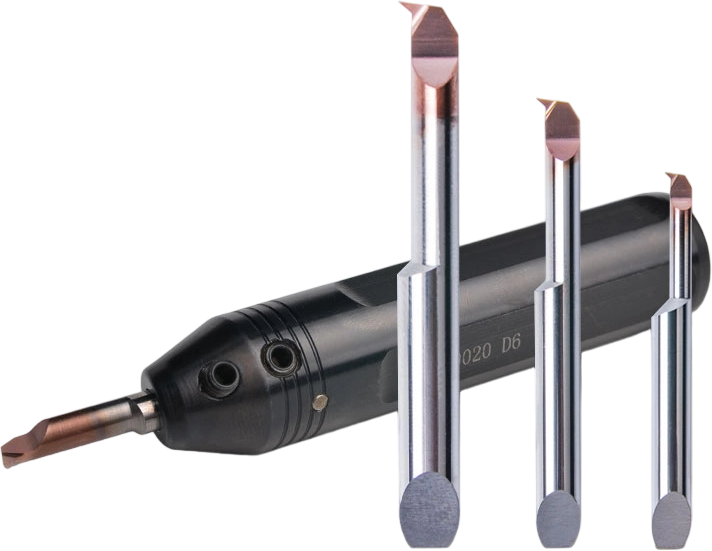
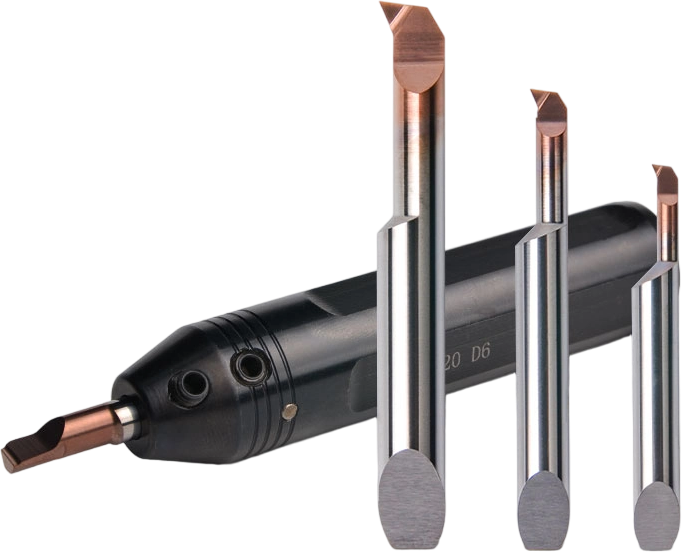
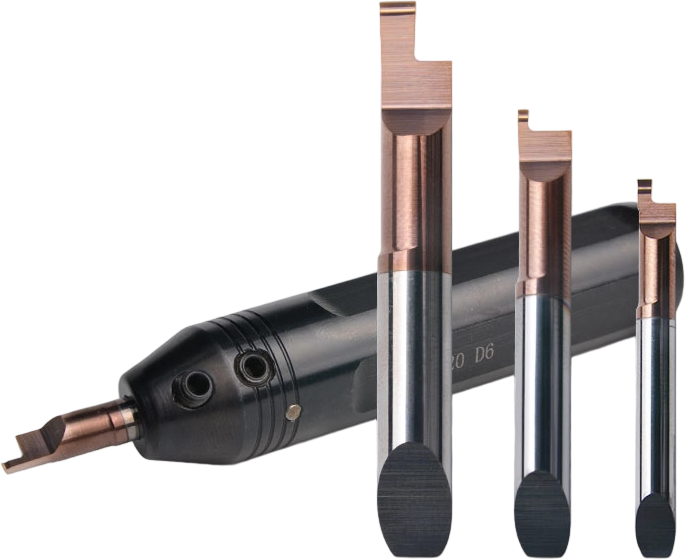
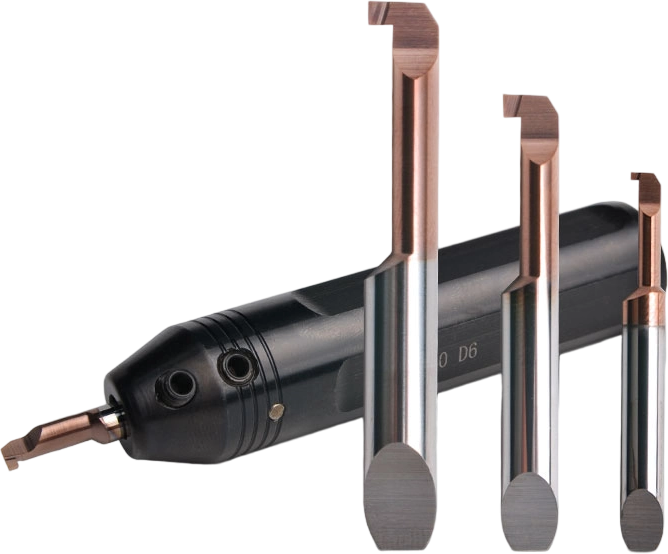
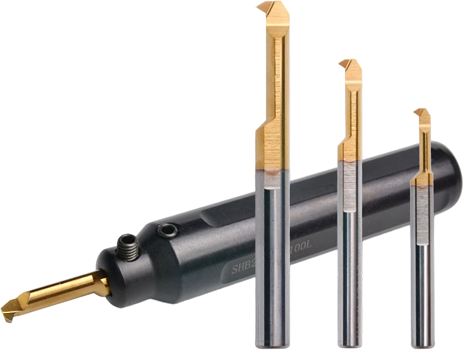
In modern precision manufacturing, small boring tools are essential for achieving high-accuracy internal hole machining in compact components. As industries such as aerospace, medical device manufacturing, electronics, and precision automotive engineering continue to demand tighter tolerances and higher surface quality, the need for reliable small diameter boring tools has grown significantly. Unlike standard internal boring tools, small boring tools operate in extremely confined cutting environments where rigidity, vibration control, and chip evacuation become far more critical.
For machining engineers and production managers, choosing the right small boring tools is often the difference between stable high-precision machining and costly dimensional errors. When working with small holes, even minor tool deflection or vibration can lead to poor surface finishes, inaccurate diameters, or reduced tool life. This makes the design, material selection, and machining strategy of miniature boring tools particularly important. Understanding how these tools work and how to optimize their use is essential for maintaining machining accuracy and production efficiency.
1.What Are Small Boring Tools?
Small boring tools are specialized cutting tools designed to enlarge, refine, or finish small internal holes with high precision. Typically used after drilling operations, these tools remove a small amount of material from a pre-machined hole to achieve tighter tolerances, improved roundness, and superior surface finish.
Compared with conventional boring tools, small boring tools are engineered to operate in holes with significantly smaller diameters, often ranging from a few millimeters to less than one millimeter in advanced micro-machining applications. Because the tool diameter is small, the structural rigidity of the tool becomes a major engineering challenge.
Most small boring tools consist of a slender shank and a precision cutting edge positioned to remove material from the internal surface of the hole. In CNC machining environments, these tools are mounted on precision tool holders and operate under carefully controlled cutting parameters to ensure dimensional stability.
Small boring tools are commonly categorized into several types, including miniature boring bars, micro boring tools, and precision internal boring tools designed specifically for tight tolerance machining. These tools are often used in combination with advanced CNC machines capable of maintaining extremely stable cutting conditions.
2.Key Design Features of Small Boring Tools
The performance of small boring tools is largely determined by their structural design, material composition, and cutting geometry. Because these tools operate in small internal spaces, even slight design improvements can dramatically affect machining stability and accuracy.
High-Rigidity Tool Materials
One of the most critical aspects of small boring tool design is the choice of material. In most modern machining environments, solid carbide is the preferred material for small boring bars. Carbide provides significantly higher rigidity compared with traditional steel tools, which helps reduce deflection during cutting.
Higher rigidity allows the tool to maintain consistent engagement with the workpiece, ensuring stable cutting conditions and improved dimensional accuracy. In addition, carbide offers excellent wear resistance, which helps extend tool life in demanding machining environments.
Compact and Reinforced Shank Design
Because small boring tools must enter narrow holes, their shank diameter must remain relatively small. However, reducing the diameter also decreases tool rigidity. To address this issue, many manufacturers design reinforced shank geometries that maximize stiffness while maintaining minimal tool diameter.
These designs may include optimized cross-sectional shapes, improved material distribution, or specialized internal structures that reduce vibration during machining.
Precision Cutting Edge Geometry
The cutting edge of a small boring tool must be extremely precise to maintain consistent chip formation and minimize cutting forces. Precision grinding techniques are used to produce sharp, stable cutting edges capable of performing micro-scale material removal.
In many cases, advanced coatings are applied to the cutting edge to reduce friction, improve heat resistance, and increase tool durability during high-speed machining.
Vibration and Chatter Control
Chatter is a major concern when machining small internal holes. To address this challenge, some advanced small boring tools incorporate vibration-damping designs that reduce oscillations during cutting. These technologies help maintain smooth cutting conditions and improve surface finish quality.
3.Common Applications of Small Boring Tools
Small boring tools are widely used in precision machining industries where internal features must meet strict dimensional tolerances. Their ability to produce accurate, high-quality holes makes them essential for a wide range of manufacturing applications.
Aerospace Manufacturing
In aerospace engineering, components often contain small internal holes that must meet extremely strict tolerance requirements. These holes may be used for fasteners, hydraulic systems, or sensor housings. Small boring tools allow machinists to achieve the high precision required for aerospace-grade components.
Medical Device Production
Medical device manufacturing frequently involves machining miniature components made from stainless steel, titanium, or specialized alloys. Surgical instruments, implants, and diagnostic equipment often contain small internal channels that require precise boring operations. Small boring tools ensure that these features meet strict medical industry standards.
Automotive Precision Components
Modern automotive systems rely on precision components that require highly accurate internal geometries. Fuel injector parts, valve bodies, and transmission components often include small-diameter holes that must be machined with exceptional precision. Small boring tools enable manufacturers to maintain consistent dimensional quality in high-volume production environments.
Mold and Die Manufacturing
Mold and die production frequently requires the machining of small cavities, guide holes, and cooling channels. Small boring tools are used to refine these internal features and ensure proper dimensional alignment within complex mold structures.
Electronics and Micro-Mechanical Components
With the continued miniaturization of electronic devices, manufacturers increasingly rely on micro-scale machining processes. Small boring tools play a crucial role in producing tiny precision holes in electronic connectors, sensors, and miniature mechanical assemblies.
4.Challenges in Small Diameter Boring
Despite their advantages, machining with small boring tools presents several technical challenges that require careful process control.
Tool Deflection
Because small boring bars have limited cross-sectional thickness, they are more susceptible to bending forces during machining. Even small cutting forces can cause the tool to deflect slightly, leading to dimensional errors in the machined hole.
Minimizing tool deflection requires careful attention to tool material, tool length, and machining parameters.
Vibration and Chatter
Chatter is one of the most common problems encountered when boring small holes. Vibration can negatively affect surface finish, reduce tool life, and cause inconsistent hole dimensions.
Maintaining stable cutting conditions requires rigid machine setups, optimized cutting speeds, and proper tool geometry.
Chip Evacuation
Chip removal becomes increasingly difficult as hole diameters decrease. Chips can become trapped inside the hole, potentially damaging the workpiece surface or interfering with the cutting process.
Proper coolant application and optimized tool geometry help improve chip evacuation in small diameter machining operations.
Maintaining Tight Tolerances
Precision machining often requires tolerances measured in microns. Achieving this level of accuracy in small hole boring requires stable machines, high-quality tooling, and carefully controlled cutting parameters.
5.How to Select the Right Small Boring Tool
Choosing the appropriate small boring tool requires evaluating several key factors related to the machining application.
One of the most important considerations is the hole diameter and depth. Smaller holes require more rigid tools and shorter tool overhang to maintain stability. The material of the workpiece also plays an important role in tool selection. Hard materials may require coated carbide tools with enhanced wear resistance, while softer materials may benefit from sharper cutting edges designed for smooth chip formation.
Tool overhang should always be minimized whenever possible. The longer the tool extends from the tool holder, the greater the risk of vibration and deflection during machining.
Another factor to consider is the required surface finish. High-precision applications may require tools with specialized cutting geometries designed to produce extremely smooth internal surfaces.
6.Best Practices for High-Precision Small Hole Machining
Successful small hole boring requires more than just selecting the correct tool. Machinists must also optimize the machining process to ensure consistent performance.
Reduce Tool Overhang
Keeping the boring tool as short as possible significantly increases tool rigidity. A shorter tool length reduces the risk of vibration and improves cutting stability.
Optimize Cutting Parameters
Spindle speed, feed rate, and depth of cut must be carefully balanced to maintain stable cutting conditions. Excessively aggressive cutting parameters can lead to chatter and tool wear.
Ensure Machine Stability
Rigid CNC machines with high spindle accuracy provide the best results for small boring operations. Machine vibration or spindle runout can negatively impact hole quality.
Apply Proper Coolant Strategies
Coolant plays an important role in removing chips and controlling temperature during small hole machining. High-pressure coolant systems are often used to improve chip evacuation in deep holes.
Monitor Tool Wear
Because small boring tools operate under demanding conditions, tool wear should be monitored regularly. Replacing worn tools at the right time helps maintain consistent machining quality.
7.Future Trends in Small Boring Tool Technology
The development of micro machining technologies continues to push the limits of what small boring tools can achieve. Manufacturers are investing in advanced materials, improved coatings, and innovative tool geometries designed specifically for micro-scale machining.
New ultra-hard coatings are extending tool life and enabling higher cutting speeds, while advanced grinding technologies are improving cutting edge precision. In addition, the integration of smart manufacturing systems is allowing real-time monitoring of tool performance and machining conditions.
As industries such as electronics, medical technology, and aerospace continue to demand smaller and more complex components, the importance of small boring tools will continue to grow. Future innovations in tool design and machining strategies will further improve the accuracy, efficiency, and reliability of small hole machining.
FAQ
What are small boring tools used for?
Small boring tools are used to enlarge and finish small internal holes with high precision. They are commonly applied in industries such as aerospace, medical device manufacturing, automotive production, and mold making where tight tolerances and high-quality surface finishes are required.
What is the difference between micro boring tools and small boring tools?
Micro boring tools are designed for extremely small holes, often in the sub-millimeter range, while small boring tools generally handle slightly larger diameters. Both tools perform similar functions but differ in scale and the level of precision required.
How do you reduce vibration in small diameter boring?
Reducing vibration involves minimizing tool overhang, selecting rigid carbide tools, optimizing cutting parameters, and ensuring the machine setup is stable. Proper coolant application and balanced cutting geometries also help reduce chatter.
What materials are commonly used for small boring tools?
Most small boring tools are made from solid carbide because it offers excellent rigidity and wear resistance. Some tools also feature advanced coatings that improve cutting performance and extend tool life.
Why is rigidity important for small boring tools?
Rigidity is crucial because small tools are more vulnerable to deflection during machining. A rigid tool maintains stable cutting conditions, improves surface finish quality, and ensures accurate hole dimensions.